

It's Not Redevelopment
Its Recreation
The Quality you can trust
A Partner Societies Can Trust
In many housing societies, the buildings may be ageing — but the community inside them is still strong. Families have lived there for years. Neighbours know each other well. Children have grown up in those corridors and courtyards. When redevelopment comes up for discussion, it is rarely just about the condition of the building. It is about deciding what the future of that community should look like.
At Windsor, we approach redevelopment with that understanding.
Over the years, we’ve partnered with housing societies throughout Pune, helping them navigate their evolution. For us, redevelopment is not simply about constructing a new building. It is about working closely with an existing community — listening to concerns, explaining the path ahead, and ensuring that commitments made at the beginning are honoured until the very end. From early planning and approvals to construction and final handover, the effort is always to keep things transparent and organised. Our role is to help societies move through that process with clarity.
Because in redevelopment, buildings change — but the trust of the people living there must remain intact.
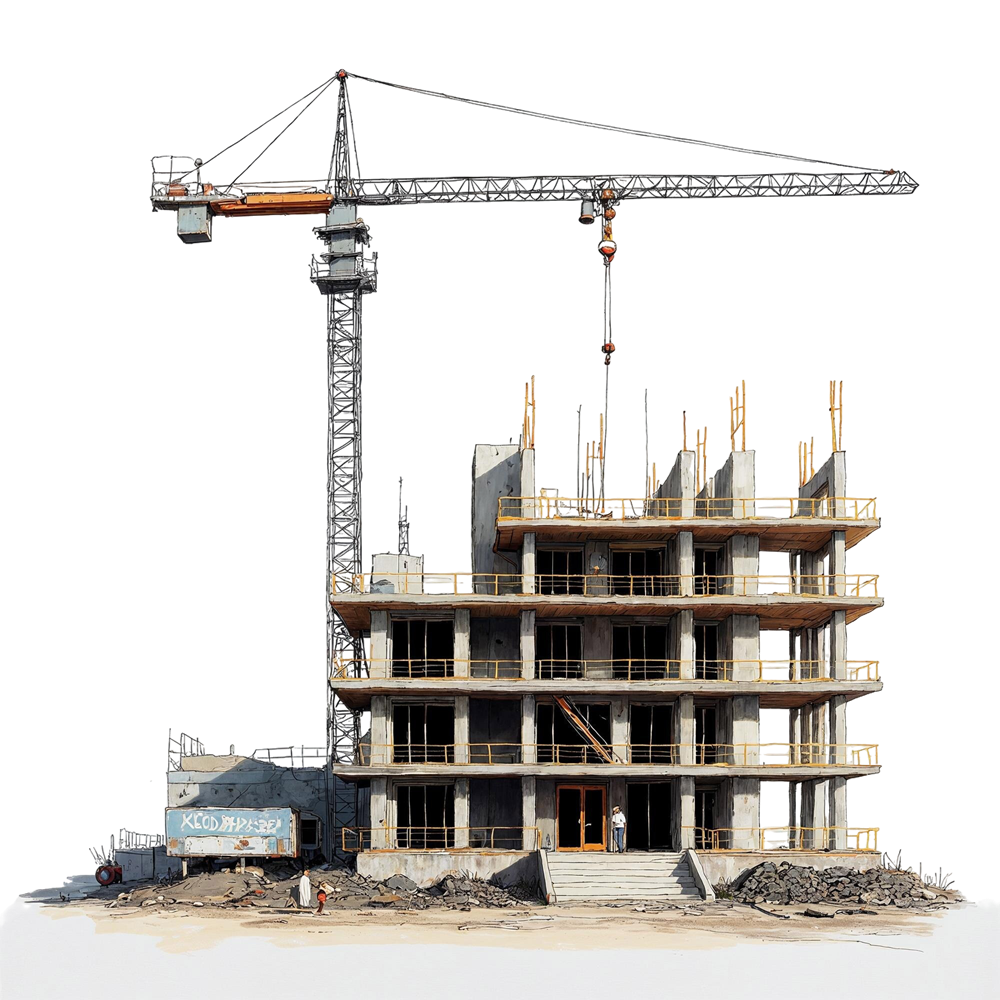




Redevelopment Done with Care
No two housing societies function in exactly the same way. Every community has its own priorities, expectations, and questions about what redevelopment should deliver.
That is why our work usually begins with conversations rather than drawings.
Listening before planning
Before drawings are made or plans are discussed, we spend time understanding what the society actually needs — how people use their homes, what common spaces matter, and what concerns residents have about redevelopment.
Clear communication along the way
Society members deserve to know what is happening at each stage. We make it a point to explain important decisions clearly so residents are comfortable with how the project is progressing.
Planning that keeps things organised
Redevelopment involves several moving parts — approvals, design work, construction planning, and coordination between multiple teams. Keeping these steps organised is critical for the project to move smoothly.
Respect for existing communities
While the building will eventually change, the community living there remains. We believe redevelopment should strengthen that community rather than disrupt it.
Renewing the Buildings,
Preserving the Community
In several parts of Pune, housing societies were built at a time when the city looked very different. Over the years, these buildings have served generations of families.
But buildings age. Maintenance becomes difficult. Facilities that were once considered modern no longer meet today’s expectations.
Redevelopment gives societies an opportunity to rebuild without losing the community that already exists there.

A stronger, modern structure
New buildings are designed according to current construction standards and safety guidelines.

Improved living spaces
Redevelopment often brings better layouts, organised parking, lifts, and shared amenities.

Better planning and comfort
Modern design allows more natural light, better ventilation, and smarter use of available space.

Stronger property value over time
A redeveloped property often carries better long-term value while offering improved living conditions.
Perhaps the biggest advantage, though, is simple. Residents continue to live in the neighbourhood they know — among familiar faces — while stepping into a new chapter of living.
Renewing the Buildings,
Preserving the Community
Windsor Shelters has established a proficiency in understanding the need for transformation, people’s expectations from it and handing over a transformed space that creates the brand new way of life.
We at Windsor Shelters understand that there are enormous opportunities in this space to transform the city and innovate the way we live.

Better standard of living

Earthquake Structure

More FSI
Stilt and underground parking
Smart Amenities

Bedrooms with attached bathrooms

Lifestyle Amenities
Redevelopment Process
01. Decision of Redevelopment
Redevelopment of the Building shall be taken into consideration with the aid of the Society if a Structural Audit Report is acquired from an accredited Structural Auditor appointed by the Society to do Structural Survey / Audit of the Building according to Bye-Law no. 77
02. Conveyance deed
If the Conveyance Deed is in favor of the society, then only Redevelopment can be considered in Special General Body Meeting.
03. Structural Audit Report
The Society need to circulate the adverse structural audit report to all the members of the society within 1 month of the receipt and also take their recommendations and consent within 14 days of circulation of the report. If 75% or more members of the society give their consent for Redevelopment then the Managing Committee will start the process of Redevelopment.
04. General Body Meeting for redevelopment
The Society wherein Redevelopment work of the Buildings is required to be undertaken, an application of Requisition to hold a Special General Body Meeting to recall and discuss the Redevelopment Project, is to be submitted to the Hon. Secretary of the Managing Committee which is properly elected as per the rule of the Society’s Bye–Laws. The Requisition application is to be signed by no lesser than 1/4th of the total members of the Society
05. Permission for redevelopment
The Society need to forward a copy of Structural Audit Report to Dy. Registrar of their respective ward of the Co-operative Societies along with extract of the Re-development Resolution passed in the Special General Body Meeting Number 2.
06. Feasibility Report
The Society need to appoint an Architect or a Project Management Consultant to survey the Project Plot /Area / F.S.I. / T.D.R. / B.M.C. – MHADA regulations applicable / technical / financial information along with viability, evaluation of repair v/s redevelopment and submit a Feasibility Report within one month from the date of receipt of permission for redevelopment.
07. Appointment of Consultant
Architect/Civil Engineer/ Financial Consultant / Project Management Consultant are to be shortlisted by the office bearers and need to suggest their names to the committee so that they can select and discuss the fees charged by them. Late on the committee should organize a SGM Number 3 and introduce the shortlisted professionals to all the members of the society. Hence, a final decision needs to be taken on the appointment of the Consultant.
08. Documents for Redevelopment
Following are the list of documents required by the society for redevelopment:
- Society Registration Certificate.
- 7/12 Extract.
- Form no. 6 from Revenue Office.
- Conveyance Deed / Lease Deed / Sale Deed.
- Search Report and Title Certificate.
- Index II
- N. A. Order.
- Development Agreement.
- City Survey Plan.
- Approved Building Plan.
09. Tender Floating
After the Technical troubles are sorted out, the Society should organize a SGM number 4. In this meeting all the members of the society need to be asked to prepare and submit details of requirements in writing so that the same could be included in the tender document. Now the managing committee should proceed and float the Tenders and invite various developers / Builders / Agencies to give their offer through newspaper ads etc.
10. Opening of tenders
The Society should conduct SGM no. 5 and open the Tenders in front of the Members of the Society along with the Society’s Consultants and parties participating in the Tender. The experts appointed by the Society need to look at the Tenders in detail and prepare comparative charts and give their recommendations to the Managing Committee.
11. Selection of developer
The Society need to call for a SGM no. 6 and after discussing the benefits and consequences of all of the offers, have to choose one Developer / Builder for carrying out the redevelopment of the Society.
12. Redevelopment Agreement
The Society should call for a SGM no. 7 for approving the plan of the flats / building and amenities offered by the Builder. When the same are approved in the General Body, the Society should pass a resolution to sign a Redevelopment Agreement with the Developer also fix the date for vacating the old flats and receiving the compensations.
13. Plan Passed
The Developer should then proceed to get the plans approved and obtain I.O.D.( Intimidation of Disapproval ) from P.M.C ( Pune Municipal Co-operation)
14. Handing over the property for redevelopment
The Society should call SGM number 8 and pass a Resolution for vacating the Flats and finalizing a date for handing over the vacant possession to the Developer
15. Shifting to alternative place
The members will now shift to their alternate accommodations before demolition of the building.
16. Work Start
Now the Building Construction work will began in full earnest as per the approved plan.
17. Completion of Work
The last work before the construction work is termed as complete is termed as Occupancy Certificate enabling the developer to allot the occupation to old and new members.
18. Possession of new units
On receiving the Occupancy Certificate, the developer can now lawfully allow the possession of the flats to be taken by the owners.
19.Conveyance deed
After completion of the Buildings, the Society need to make sure that the Developer gives Conveyance, Occupation Certificate and regular Water Connection within 4 months from the date of possession of the flats.
Redevelopment Projects
Shubham Safalya
Shubham Savera
Shubham Apartment
Shubham Complex
Shubham Residency
Shubham Vastu
Shreeram Complex
Shanti Complex
Shreeram Apartment
Giri Apartments
Jana Sundar Apartment
Shri Sai Apartment
Vinayak Apartment
Shri Venkatesh Apartment
Windsor Satya Vihar
Frequently Asked Questions
The future of redevelopment in Pune city looks bright on account that there are constraints on the availability of open land in the town. Also, there are lots of buildings which are in terrible conditions and are broken down because of their age, atmospheric wear and tear and different reasons. They have reached a level wherein it isn’t viable to perform structural maintenance and are not economically feasible and won’t guarantee for more extended life. Redevelopment of such old building has end up a necessity.
Generally, society expects one extra room per flat.
Reimbursement of expenses necessary for the accommodation till the brand new apartments are given.
Quality Construction, Modern amenities with Vehicle Parking facility and Modern elevation.
Though the government is drafting the process for deemed Conveyance, the society need to consult or hire a Professional Advocate having knowledge in Conveyance Cases for legal remedies.
If the consent is not received from all the members of the society for redevelopment, then permission for redevelopment will not be granted.
Consent received from members can’t be reversed. Only if a member has a sturdy motive to retract his consent, then he has to follow all the proper legal procedure for proving his factor of discontent for retracting his consent.
The General Body has the right to give powers to Redevelopment Committee.
Below are the powers that are usually allotted to the Redevelopment Committee.
To reject / approve the proposal received by managing committee.
To give suggestions to managing committee for the proposals if required.
Generally the tenure of the redevelopment committee must be from the start of the redevelopment project to the end of the redevelopment project.